How to Reduce Model Home Tour No-Shows: A Template | Jome
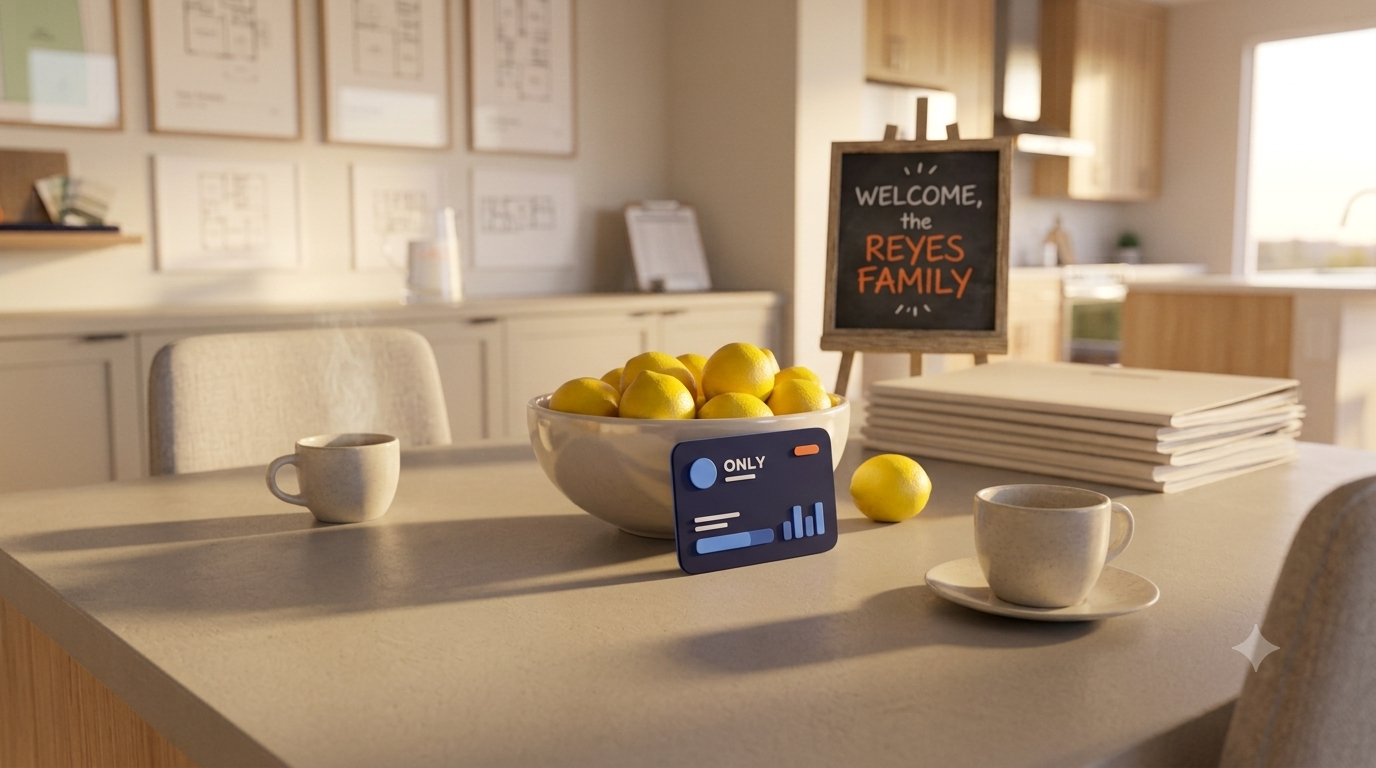
Your OSC blocked out 10:30 on Saturday for the Reyes family. She staged the model, pulled their floor-plan preferences, set out two coffees, and turned away a walk-in couple at 10:25 because she was holding the slot. At 10:50, the Reyes family still isn’t there. They’re not going to come. And the walk-in couple is already three communities down the road.
A no-show isn’t just a gap in the calendar. It’s a triple cost: the prep time, the opportunity cost of the buyer your OSC turned away to protect the slot, and the quiet erosion of your rep’s belief that booked tours are real. After enough Saturdays like this, OSCs start over-booking, stop prepping, or stop trusting the calendar entirely — and all three of those reactions make your sales operation worse.
The good news is that no-shows are one of the most fixable problems in new home sales, because the fix is a sequence, not a personality. Below is a confirmation-and-reminder template you can install this week. Adapt the wording to your communities and your brand, but keep the structure and the timing — those are what move the number.
Why buyers no-show (and why it’s rarely about you)
Before the template, the diagnosis, because it shapes every message you send. New home buyers don’t no-show because they stopped being interested. They no-show because:
- The appointment got buried. They booked on Tuesday for Saturday and their week ran them over. The tour is real; their memory of it isn’t.
- Life moved the goalposts. A kid’s game got rescheduled, a relative came to town, the morning fell apart. They’d still come — at a different time — but nobody offered them one.
- Cold feet on a big decision. A new home is the largest purchase most people ever make. A little avoidance is normal, and a warm, low-pressure nudge usually dissolves it.
- They double-booked. They’re touring three builders this weekend and yours fell off the shortlist by Friday night because nobody re-earned the slot.
Notice that none of these are “they’re a bad lead.” They’re all addressable with the right message at the right moment. As the multifamily leasing teams who’ve studied this at scale have found, show rates are predictable and movable — EliseAI’s leasing research points to confirmations, reminders, and time-of-day patterns as the levers, and the same physics apply to a model home tour. It matters more for builders because the stakes per appointment are so high: new-home shoppers research extensively before they ever book a visit (NAHB tracks how that journey has shifted online), so a booked tour represents a buyer who’s already deep in consideration — exactly the buyer you can’t afford to lose to a forgotten Saturday.
The template: a five-touch confirmation sequence
Here’s the full sequence for a tour booked more than 24 hours out. The principle behind it: every touch either confirms intent or surfaces a conflict early enough to rebook. Silence is the enemy; a “can we move it?” reply is a win, not a loss.
Touch 1 — Instant booking confirmation (within 1 minute of booking)
The moment the tour is booked, confirm it on the buyer’s channel. Make it specific and human, not a calendar robot.
“You’re set, Maria — Saturday 6/27 at 10:30am to walk the Magnolia plan at Saddle Creek with Jenna. Address and a map are below. Anything you want Jenna to have ready when you arrive?”
That last question does quiet work: a reply — any reply — raises the show probability, and it tells you the appointment is alive.
Touch 2 — Next-day re-confirm (24 hours after booking, if booked far out)
If the tour was booked a week out, a single mid-week touch keeps it from going cold.
“Hi Maria, still looking forward to Saturday at 10:30. Quick one: are you hoping to see just the Magnolia, or want Jenna to line up a couple of other single-story plans while you’re out?”
You’re not just reminding — you’re adding value to the visit, which raises the cost of skipping it.
Touch 3 — Day-before reminder with an easy out (afternoon before the tour)
This is the highest-leverage message in the sequence. It must make rescheduling effortless, because a rescheduled tour is worth infinitely more than a no-show.
“Looking forward to seeing you tomorrow at 10:30, Maria. If something’s come up and another time works better, just reply and I’ll move it — no problem at all. Otherwise, see you then!”
Builders are often scared to offer the out, fearing it gives permission to cancel. The data runs the other way: the buyers who would’ve ghosted now reschedule instead, and the buyers who were always coming are unbothered. You convert silent no-shows into booked second attempts.
Touch 4 — Morning-of nudge with logistics (2-3 hours before)
“Morning, Maria! We’re all set for 10:30 at Saddle Creek — the model’s the one with the blue door at 412 Saddle Creek Dr. Parking’s right out front. Text me when you’re close!”
Logistics friction (where do I park, which house is it) causes more “I’ll just skip it” decisions than builders realize. Remove it.
Touch 5 — The no-show rescue (15-30 minutes after the missed slot)
The single most-skipped touch, and the one that recovers the most pipeline. When a buyer doesn’t show, the instinct is to mark them dead. Instead, reach out immediately, warmly, with zero guilt.
“Hey Maria, didn’t catch you this morning — totally understand, Saturdays are chaos. Want me to hold the Magnolia for you next weekend? Same time works, or tell me what’s better.”
A no-show is not a rejection; it’s a scheduling failure, and scheduling failures are repairable. Most builders never send this message. The ones who do quietly rebook a meaningful share of their misses.
Why this sequence breaks down in the real world
Read that template and the problem becomes obvious: it’s five precisely-timed touches, per tour, across booking confirmations on weeknights, day-before reminders on Friday evenings, and rescue messages 20 minutes after a Saturday no-show. No OSC who is also standing in a model home, running walk-ins, and following up on this week’s new inquiries can execute that by hand for every appointment. The touches that get dropped first are exactly the ones that matter most — the day-before out and the no-show rescue, because they land at the busiest moments.
This is the same structural trap behind slow lead response. The process is known; the human capacity to run it consistently isn’t there. We make that case in depth in Speed to Lead for Home Builders, and it’s one of the quieter ways pipeline drains, which we catalogue in 6 Signs Your Home Builder CRM Is Leaking Pipeline.
Make the sequence a property of the system, not the person
This is exactly what Jome was built to run. Your team closes; we handle the follow-up grind. When a tour is booked, Jome fires the whole confirmation sequence automatically — the instant confirmation, the day-before reminder with the easy rescheduling out, the morning-of logistics nudge, and the no-show rescue 20 minutes after a missed slot — over text and voice, on the buyer’s channel, referencing their specific plan and community. When a buyer replies “can we move it?”, Jome rebooks them and updates the OSC’s calendar. The rep walks in to a confirmed, re-confirmed list of people who are actually coming — and to a short list of rescues already in motion for the ones who couldn’t.
If you’re deciding whether to run this in-house or layer it on top of your stack, our guide on building vs buying AI lead follow-up walks through the trade-offs, and the messaging mechanics live in Home Builder Follow-Up Text Templates.
How to measure whether it’s working
Track these three numbers before and after you install the sequence:
No-show rate, measured as missed tours divided by booked tours, watched weekly. This is the headline number, and the day-before “easy out” touch usually moves it fastest.
Reschedule capture rate, the percentage of would-be no-shows who rebook instead of vanishing. This number barely exists at most builders because nobody sends touches 3 and 5 — which means it’s almost pure upside.
Prep-time waste, an honest tally of OSC hours spent staging and holding slots for tours that never arrived. Your reps feel this one even when the dashboard doesn’t show it; bringing the no-show rate down buys back real selling time.
FAQ
What’s a good no-show rate for model home tours? It varies by market and lead source, but most builders are quietly running higher than they’d like — especially on self-booked online appointments and weekend slots. The point isn’t a magic benchmark; it’s that whatever your current rate is, a disciplined confirmation sequence will move it down measurably.
Doesn’t offering an easy reschedule just invite cancellations? It feels that way, but it works the opposite way in practice. Buyers who were going to silently no-show instead tell you they need a different time — which you can rebook. Buyers who were always coming don’t cancel because you were gracious about it. You trade invisible losses for visible, recoverable ones.
How many reminders is too many? Five touches across several days reads as attentive, not pushy, as long as each one adds something — a logistics detail, an offer to line up more plans, an easy out. The moment a touch is pure “don’t forget” with nothing new, cut it. Relevance is what keeps the sequence from feeling like nagging.
Can my CRM send these automatically? Most CRMs can fire a scheduled reminder email or two. What they generally can’t do is hold a real back-and-forth when the buyer replies “can we move it to Sunday?” — that conversational rebooking is the part that actually recovers the tour, and it usually has to sit on top of the CRM.
A full calendar is only worth as much as the tours that show
Booking the tour is half the job. The other half is making sure the buyer walks through the door — and that half is a sequence any builder can install and almost none run consistently by hand. Decide on the five touches, write them in your brand’s voice, and then make sure something runs them for every single appointment, including the rescue after the ones that slip.
If you want to see your no-show rate by community and time slot — and what it looks like when every booked tour gets the full confirmation sequence automatically — book a 20-minute walkthrough with Jome. We’ll find the tours that are quietly falling off your calendar and show you how many are recoverable.
Cut your model-home no-shows with automated reminders — see how at ai.jome.com.